Transform Your Yard: The Complete Guide to Synthetic Lawn Installation
Converting a yard with artificial grass is a practical choice for many homeowners. It offers a low-maintenance alternative to natural lawns, elevating the outdoor aesthetic. However, the installation process requires careful planning and attention to detail. Understanding the essential steps, tools, and potential pitfalls is vital. As one explores the various aspects of this home improvement project, they will discover how to achieve the best results while avoiding common mistakes.
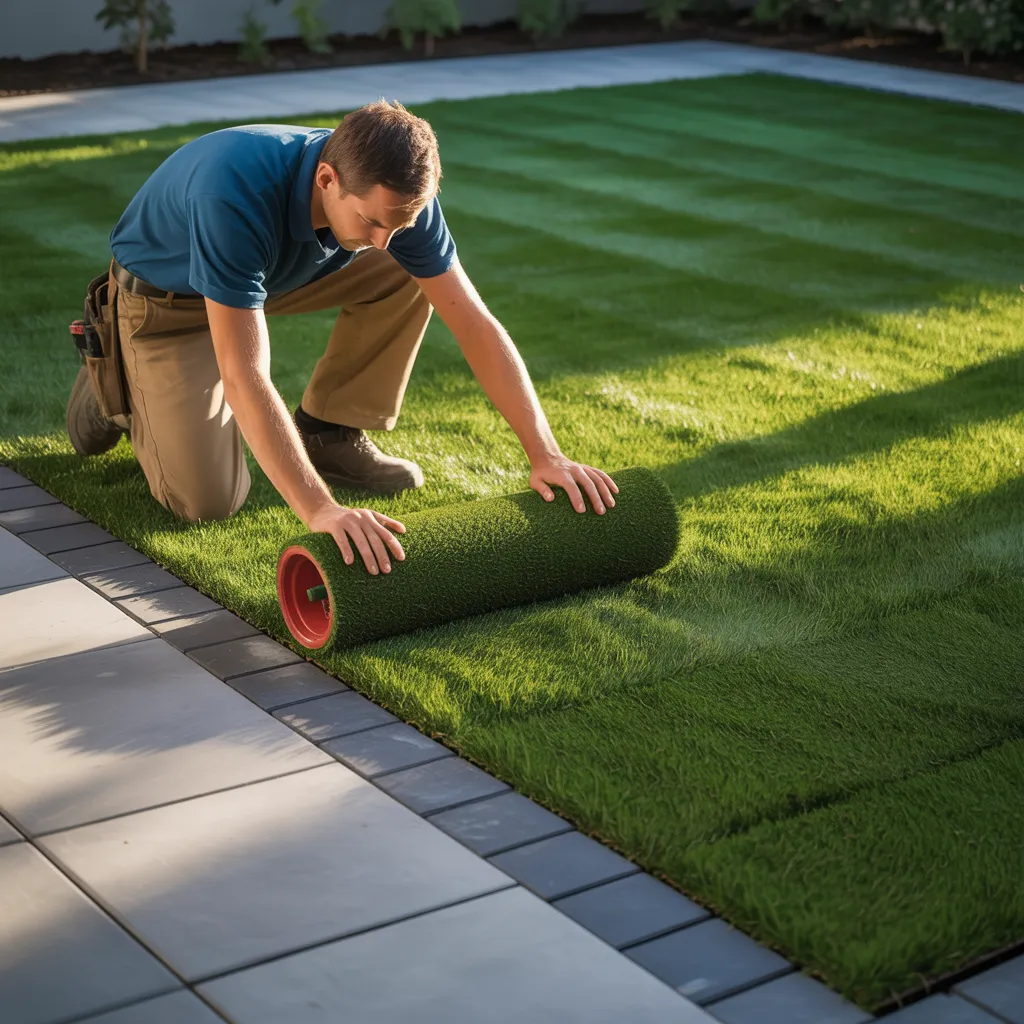
A Step-by-Step Guide to Artificial Grass Installation
During the planning phase for installing artificial grass, homeowners can benefit from a systematic approach to guarantee success. The first step involves measuring the area to determine the volume of turf needed. After obtaining the measurements, clearing the designated space of any existing grass, weeds, or debris is essential. Following this, a base layer is created using crushed rock or gravel, establishing proper drainage.
After that, the installation of a weed barrier fabric is suggested to avoid future growth. Once ready, the artificial grass is laid out, aligning it neatly to avoid seams. It is crucial to cut the grass to fit the area precisely, using a sharp utility knife.
Securing the edges with landscape staples or adhesive finishes the installation process. Finally, brushing the grass fibers and infilling with sand or rubber granules boosts stability and appearance. This structured approach assures homeowners achieve a visually appealing and durable lawn.
Choosing the Right Type of Artificial Grass for Your Outdoor Space
Choosing the suitable type of artificial grass requires careful consideration of multiple factors. Key elements include pile height options, color and texture selections, as well as durability and weather resistance. These features will substantially impact the look and functionality of the yard.
Grass Pile Height Alternatives
How can you determine the optimal grass pile height for artificial turf? Selecting the correct pile height is important for reaching the desired aesthetic and functionality. Usually, artificial grass features heights extending from 1 inch to over 2 inches. Shorter piles, around 1 inch, are ideal for busy areas, providing durability and ease of maintenance. Average piles, between 1.5 to 2 inches, present a balance between cushioning and strength, making them ideal for household outdoor spaces and recreational spaces. Taller piles, above 2 inches, create a lush appearance but may demand more maintenance. In the end, the choice is based on the intended use, desired appearance, and maintenance preferences, confirming each yard can be both visually pleasing and serviceable.
Color and Texture Options
The aesthetic appeal of artificial grass is greatly influenced by its color and texture choices. Residents can choose among various color options, including vivid greens and more subtle, natural tones. These selections permit tailored designs that imitate natural grass aesthetics, elevating the entire yard. Texture also plays a significant role; varying fiber lengths and grass blade configurations produce a more authentic tactile experience. For example, a blend of fibers may provide a softer touch, while a denser turf can offer a lush appearance. In the end, choosing appropriate color and texture not only harmonizes with the current landscape but also establishes the preferred atmosphere, whether the goal is lively and energetic or calm and sophisticated.
Resistance to Weather and Durability
Durability along with weather resistance are vital considerations in selecting the right type of artificial grass for a yard. High-quality synthetic grass is designed to withstand varying weather conditions, from harsh sunlight to substantial rainfall. UV-protection features help stop fading and degradation over time, providing lasting durability. Moreover, an effective drainage system is vital for managing water runoff, reducing the risk of mold and mildew. Weighing options view this such as polyethylene, polypropylene, and nylon can help in choosing a grass type that meets specific durability needs. Polyethylene is valued for its softness and resilience, while nylon offers outstanding toughness. In the end, understanding these characteristics will assist homeowners in arriving at an informed decision that enhances their outdoor space for years to come.
Important Tools and Materials You'll Require
Choosing the right materials and tools is crucial for a successful artificial grass installation. Key tools include a utility knife for precise cutting, a rake for leveling the base, and a shovel for excavation. A measuring tape ensures accurate dimensions, while a straightedge assists in alignment. Additionally, a compactor or roller is critical for firming the base, stopping future settling.
In terms of materials, a high-quality landscape fabric is required to inhibit weed growth, while infill materials, such as silica sand or rubber, provide stability and cushioning. Adhesives may be necessary for securing seams, and stakes or nails help anchor the edges. Finally, a sturdy broom is essential for distributing infill evenly. Keeping these tools and materials on hand will streamline the installation process and result in a professional-looking result.
Best Tools and Techniques for a Flawless Installation
Throughout the process of artificial grass installation, identifying the right tools is vital for obtaining a seamless finish. An overview of essential tools will provide a foundation, while a discussion of effective installation techniques will guide the application. Together, these elements deliver a professional-looking result that upgrades any outdoor space.
Vital Tools Introduction
A successful artificial grass installation depends on the right tools and techniques to deliver a seamless finish. Essential tools include a utility knife for cutting the grass to size, a rake for leveling the base, and a power broom for making certain the fibers stand upright. A tape measure is critical for accurate dimensions, while landscape staples or adhesive provide secure anchoring. Additionally, a compactor helps in creating a solid base, avoiding future settling. For edges, a straight edge tool guarantees clean lines. Finally, a seam tape and adhesive kit is essential for joining sections. By employing these tools, installers can achieve a professional look that enhances the aesthetic of any outdoor space.
Installation Techniques Explained
Reaching a impeccable artificial grass installation necessitates thorough attention to methods and precision. Initially, appropriate site preparation is vital; this involves removing existing grass, leveling the ground, and guaranteeing adequate drainage. Following this, a weed barrier should be positioned to avoid future growth. When laying the artificial grass, it's vital to roll it out in the same direction to preserve a uniform finish. Utilizing a sharp utility knife for cutting ensures clean edges. Furthermore, securing the grass with landscape staples or adhesive will prevent shifting. To complete the process, infill materials, such as silica sand or rubber, should be uniformly distributed to deliver stability and boost the grass's appearance. Following these techniques will produce a professional-looking installation.
Stay Away from The Following Standard Installation Problems
Securing a successful artificial grass installation demands attention to detail, as common mistakes can cause costly repairs and dissatisfaction. One typical error is inadequate ground preparation; failing to remove debris and level the surface can create unevenness and drainage issues. Additionally, failing to use suitable infill can cause a less realistic appearance and compromised longevity.
Another common mistake involves improper seam alignment. Seams that overlap or cuts that are improper may produce noticeable lines, diminishing the overall aesthetic. Poor anchoring is also crucial; using too few stakes may cause the grass to shift or wrinkle over time.
Ultimately, overlooking the vital role of drainage can cause pooling water, which not only diminishes appearance but can also lead to mold growth. By recognizing these pitfalls, homeowners can attain a more successful and long-lasting artificial grass installation.
Taking Care of Your Fake Grass
Preserving artificial grass is vital for keeping its look and longevity. Regular maintenance involves several key practices. First, debris such as leaves, twigs, and dirt should be cleared using a rake or a leaf blower. This inhibits accumulation that can obstruct drainage and foster mold growth.
Secondly, periodic rinsing with water assists in eliminating debris and pet waste, keeping the surface clean and hygienic. For tougher stains, a mild soap solution can be applied carefully.
Thirdly, brushing the grass fibers with a stiff bristle broom aids in preserving their upright position, elevating the lawn's appearance.
Last but not least, checking the seams and edges periodically ensures that any wear or damage is addressed promptly, stopping bigger issues down the line. By adhering to these simple maintenance procedures, homeowners can enjoy a lively and functional artificial grass surface for years to come.
Main Benefits of Artificial Grass for Your Outdoor Space
Synthetic turf not only reduces upkeep requirements but also provides a range of benefits for homeowners looking to enhance their outdoor spaces. One key advantage is the substantial decrease in water usage; artificial grass eliminates the need for regular watering, making it an environmentally conscious option. Furthermore, it remains lush and green throughout the year, independent of weather conditions, providing a consistently attractive landscape.
Additionally, artificial grass is resistant to and durable against heavy foot traffic, making it well-suited for households with pets. It also lessens the risk of unwanted pests and weeds, reducing the need for harmful chemicals. The soft surface is safe for children to play on, easing concerns about injuries. Lastly, the installation of artificial grass can raise property value, as it improves curb appeal and offers a low-maintenance solution for busy homeowners. On the whole, artificial grass provides an innovative alternative for those seeking a beautiful and functional outdoor space.
Frequently Asked Questions
How Many Years Does Artificial Grass Usually Last?
Artificial turf usually lasts between 15 to 25 years, contingent upon variables including the quality, care, and climate conditions. Consistent maintenance can help extend its longevity, guaranteeing a sturdy and beautiful landscape solution.
Can Your Pets Use Artificial Grass Safely?
Pets can safely use artificial grass, as it is free from toxins and engineered to endure wear. Adequate drainage helps stop odors, while consistent cleaning ensures a sanitary environment, making it an ideal choice for pet owners.
Is Fake Grass Good for the Environment?
Synthetic turf is typically regarded as environmentally friendly since it minimizes water consumption, removes the requirement for chemical treatments, and reduces yard upkeep. Yet, concerns surrounding the materials employed in manufacturing and extended environmental impact remain valid.
What Is the Price Comparison with Natural Grass?
A cost analysis of artificial grass versus natural grass shows that synthetic turf commonly demands higher front-end expenditures but provide long-term savings through decreased maintenance, water requirements, and longevity, making them economically beneficial over time.
Is It Possible to Install Artificial Grass Over Existing Surfaces?
Yes, artificial grass can be installed over current surfaces such as concrete, soil, or gravel. However, appropriate preparation is crucial to ensure a level, stable foundation for ideal drainage and longevity of the grass.